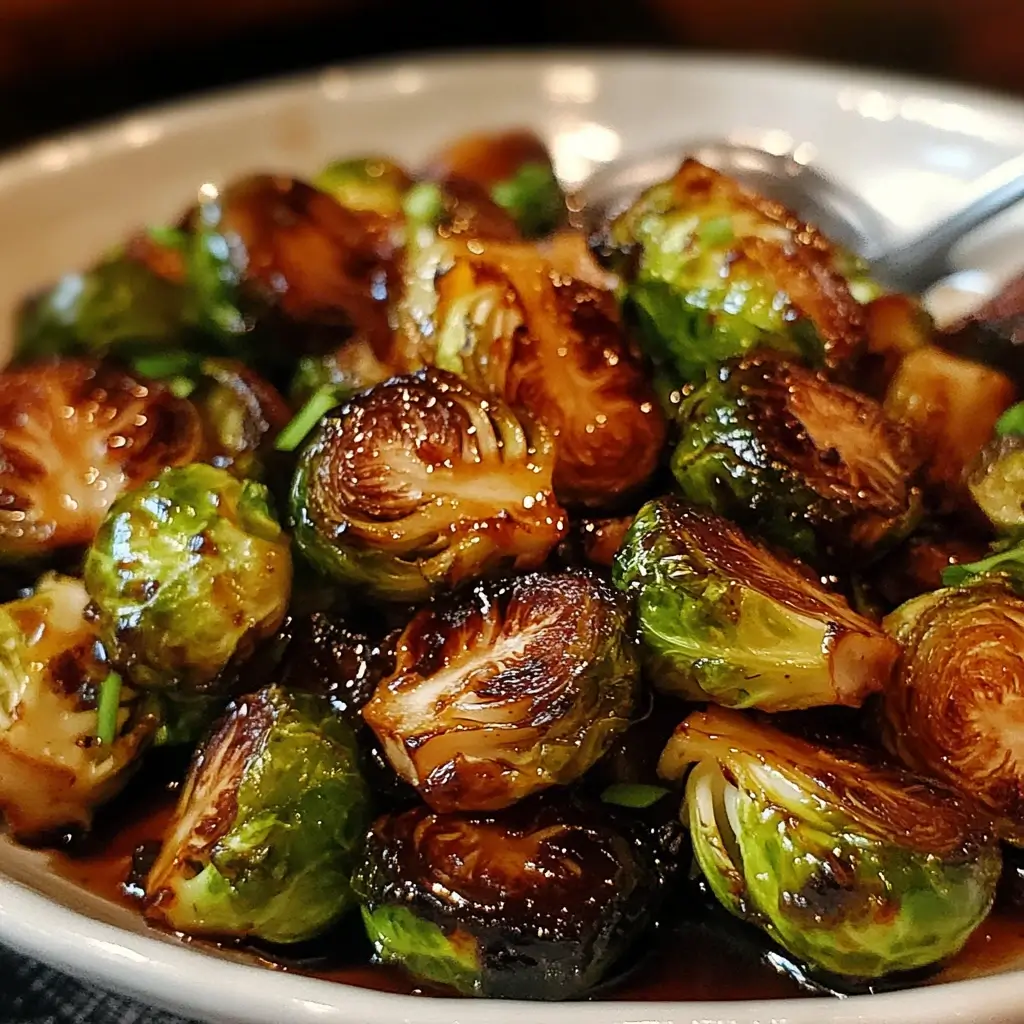
Unlock the Delicious Potential: Brussel Sprouts with Balsamic – Your New Favorite Side Dish
Forget everything you thought you knew about brussel sprouts! If memories of mushy, bitter greens haunt your culinary past, prepare for a delightful revelation. When prepared correctly, *brussel sprouts with balsamic* transform into a caramelized, sweet-and-tangy sensation that will convert even the most skeptical eaters. This simple yet sophisticated side dish has surged in popularity, gracing tables from casual weeknight dinners to elegant holiday feasts. It’s not just delicious; it's a testament to how humble ingredients can be elevated to extraordinary heights with the right technique and a touch of magic – in this case, the magic of rich balsamic vinegar and high-heat roasting.
This article will guide you through the art of creating perfectly roasted *brussel sprouts with balsamic*, ensuring every bite is a harmonious blend of crispy edges, tender interiors, and that irresistible sweet-and-sour glaze. We'll delve into why this pairing is so perfect, essential cooking techniques, creative variations, and common pitfalls to avoid. Get ready to embrace brussel sprouts as you've never experienced them before!
Why Brussel Sprouts and Balsamic Are a Match Made in Heaven
The culinary world is full of iconic pairings, and few are as harmoniously balanced as *brussel sprouts with balsamic*. This combination works on multiple levels, appealing to our senses of taste, texture, and even aroma.
Firstly, let's talk flavor. Brussel sprouts, members of the cruciferous family, naturally possess a slight bitterness and a distinctive earthy flavor. While some find this off-putting, it's precisely this characteristic that makes them an ideal canvas for the vibrant notes of balsamic vinegar. Balsamic, especially a good quality aged variety, brings a complex profile of sweetness, acidity, and a subtle fruitiness. When these two meet in a hot oven, something truly remarkable happens: the sprouts caramelize, mellowing their bitterness and intensifying their natural sweetness, while the balsamic reduces and thickens into a rich, glossy glaze that coats each sprout with a delightful sweet-and-tangy sheen. The acidity in the balsamic also brightens the overall flavor, cutting through any potential richness and leaving a clean, satisfying finish.
Beyond flavor, the textural contrast is equally compelling. High-heat roasting transforms the outer leaves of the brussel sprouts into crispy, almost chip-like morsels, while the interior remains wonderfully tender. This textural interplay provides an exciting mouthfeel that keeps you coming back for more.
And let's not forget the health benefits! Brussel sprouts are nutritional powerhouses, packed with Vitamin K, Vitamin C, fiber, and antioxidants. Balsamic vinegar, in moderation, also offers its own set of antioxidants. So, when you indulge in a plate of *balsamic glazed brussel sprouts*, you're not just enjoying a delicious treat, you're also fueling your body with vital nutrients. It's a win-win for your taste buds and your well-being.
Mastering the Roasting Technique for Perfect Brussel Sprouts
Achieving perfectly roasted *brussel sprouts with balsamic* is less about complex culinary skills and more about understanding a few fundamental principles. The goal is to maximize caramelization and tenderness while infusing that signature sweet and tangy flavor.
Prepping Your Sprouts: The Foundation of Flavor
Proper preparation is key. Start by selecting firm, bright green brussel sprouts. Avoid any with yellowing leaves or soft spots.
- Trim the Ends: Slice off the tough stem end of each sprout. Don't remove too much, just enough to get rid of the very bottom.
- Remove Outer Leaves: Peel away any loose, discolored, or damaged outer leaves. These can become bitter and chewy.
- Halve or Quarter (Most Important!): For even cooking and maximum surface area for caramelization, cut larger sprouts in half lengthwise. If they are particularly large, you might even quarter them. Smaller sprouts can be left whole if desired, but halving ensures better browning.
- Wash and Dry Thoroughly: Rinse the sprouts under cold water and then pat them *completely dry* with a clean kitchen towel or paper towels. Moisture is the enemy of crispiness, as it will steam rather than roast your sprouts.
The Art of Seasoning: Olive Oil, Salt, Pepper, and That Balsamic Magic
Once prepped, it's time to season.
- Olive Oil: Drizzle the sprouts generously with olive oil. This helps them crisp up and prevents sticking. Use enough to lightly coat all surfaces, but don't drown them. About 1-2 tablespoons for a pound of sprouts is usually sufficient.
- Salt and Pepper: Season liberally with coarse sea salt and freshly ground black pepper. These basic seasonings enhance the natural flavors.
- The Balsamic Timing: This is crucial for *balsamic glazed brussel sprouts*. Many recipes suggest adding balsamic at the beginning, but this can cause it to burn and become bitter. For the best results, toss the sprouts with olive oil, salt, and pepper *first*. Roast them until they are nearly tender and starting to brown. Then, remove them from the oven, drizzle with balsamic vinegar, toss quickly, and return them to the oven for just another 5-10 minutes. This allows the balsamic to reduce into a beautiful, sticky glaze without burning.
Oven Temperature and Time: High Heat for High Flavor
High heat is your best friend for crispy, caramelized brussel sprouts.
- Temperature: Preheat your oven to 400-425°F (200-220°C). This high temperature is essential for achieving that desirable char and tender interior quickly.
- Single Layer: Spread the seasoned sprouts in a *single layer* on a large baking sheet. Do not overcrowd the pan. If you're cooking a large batch, use two baking sheets. Overcrowding traps steam, leading to soggy sprouts instead of crispy ones.
- Roast Time: Roast for 20-30 minutes, flipping halfway through, until they are tender when pierced with a fork and beautifully caramelized and slightly charred on the edges. Remember to add the balsamic towards the end of this process, as described above.
Beyond the Basics: Creative Variations and Serving Suggestions
While classic *brussel sprouts with balsamic* are a showstopper on their own, there are countless ways to elevate this dish and tailor it to your taste or occasion. Don't be afraid to experiment with additional ingredients and flavor profiles.
Adding Extra Flavors: A World of Aromatic Possibilities
Once you've mastered the basic technique, consider introducing other aromatics to your *roasted brussel sprouts with balsamic*:
- Garlic: Minced garlic is a fantastic addition. Add it along with the olive oil, but keep an eye on it to prevent burning. If adding later with the balsamic, it will retain more of its pungent flavor.
- Fresh Herbs: Rosemary and thyme sprigs tossed with the sprouts before roasting infuse them with an earthy, aromatic quality. Finely chopped parsley or chives can be added after roasting for a fresh finish.
- Chili Flakes: A pinch of red pepper flakes will introduce a subtle warmth and a touch of heat, creating a delightful contrast with the sweet balsamic.
- Lemon Zest: For a burst of brightness, grate some fresh lemon zest over the finished sprouts. The citrus complements both the sprouts and the balsamic beautifully.
Sweet and Savory Twists: Enhancing the Glaze and Texture
Elevate your *brussel sprouts with balsamic* further by incorporating ingredients that add texture, sweetness, or a smoky savoriness:
- Maple Syrup or Honey: For an even sweeter glaze, whisk a teaspoon or two of maple syrup or honey directly into the balsamic vinegar before adding it to the sprouts. This creates a richer, stickier coating. This variation is particularly delicious when you're aiming for a dish like "sweet and tangy brussel sprouts."
- Crispy Bacon or Pancetta: Cooked and crumbled bacon or pancetta adds an incredible depth of smoky, salty flavor and a delightful crunch. Roast the sprouts almost entirely, then toss them with the bacon and the balsamic for the last few minutes.
- Toasted Nuts: Pecans, walnuts, or slivered almonds provide a lovely textural contrast and an extra layer of nutty flavor. Toast them lightly in a dry pan before adding them to the roasted sprouts, or toss them in during the last 5-10 minutes of roasting.
- Dried Fruit: Dried cranberries or cherries offer bursts of chewy sweetness that pair wonderfully with the balsamic and the earthy sprouts. Add them along with the balsamic towards the end of cooking.
- Cheese: A sprinkle of grated Parmesan or crumbled goat cheese over the hot sprouts just before serving can add a creamy, salty, or tangy dimension.
For more advanced techniques or a deeper dive into specific flavor pairings that elevate this classic, you might want to check out
brussel sprouts with balsamic - Article 2. If you're looking for different takes on this classic or want to explore troubleshooting and alternative cooking methods,
brussel sprouts with balsamic - Article 3 could offer valuable insights.
Serving Suggestions: More Than Just a Side
While *brussel sprouts with balsamic* shine as a standalone side dish, their versatility allows them to be incorporated into various meals:
- Classic Side: Perfect alongside roasted chicken, pork tenderloin, steak, or grilled fish.
- Salad Topper: Let them cool slightly and add them to a warm grain salad or a hearty winter green salad for a boost of flavor and texture.
- Appetizer: Serve them on their own as a sophisticated appetizer, perhaps with a sprinkle of feta cheese or toasted pine nuts.
- Bowl Meals: Incorporate them into grain bowls with quinoa or farro, roasted sweet potatoes, and a protein source for a complete and healthy meal.
Common Pitfalls to Avoid for Brussel Sprouts Perfection
Even with a seemingly simple dish like *brussel sprouts with balsamic*, there are common mistakes that can prevent you from achieving that coveted crispy, tender perfection. Being aware of these will ensure your success.
- Overcrowding the Pan: This is arguably the biggest mistake. When sprouts are too close together, they release moisture and steam each other instead of roasting. This results in soft, soggy, and unappetizing sprouts with no caramelization. Always use a large enough baking sheet (or two!) to ensure they are in a single layer with plenty of space around each one.
- Not Drying the Sprouts: Any residual moisture on the sprouts will steam them rather than allow them to crisp and brown. After washing, pat them thoroughly dry with paper towels or a clean kitchen towel.
- Using Too Little Oil: Olive oil helps conduct heat, promotes browning, and prevents sticking. While you don't want to drench them, a generous drizzle that lightly coats all surfaces is necessary for optimal texture and flavor.
- Cooking at Too Low a Temperature: Brussel sprouts need high heat to caramelize and become tender-crisp. Roasting at temperatures below 400°F (200°C) will often result in soft, bland sprouts without that delicious char.
- Adding Balsamic Too Early: Balsamic vinegar contains sugars that can burn easily at high temperatures, turning bitter and acrid. As discussed, add the balsamic during the last 5-10 minutes of roasting after the sprouts have already begun to tenderize and brown. This allows it to reduce into a sticky, sweet-and-tangy glaze without scorching.
- Under-Seasoning: Don't be shy with salt and pepper! These fundamental seasonings are crucial for bringing out the best in the brussel sprouts and balancing the sweetness of the balsamic.
- Using Old or Wilted Sprouts: Freshness matters. Old sprouts can be bitter and lack the crisp texture you're looking for. Choose firm, bright green sprouts for the best results.
Conclusion
From a once-maligned vegetable to a celebrated culinary star, *brussel sprouts with balsamic* represent a triumph of simple, effective cooking. This dish proves that with the right technique and complementary flavors, even the most humble ingredients can be transformed into something truly extraordinary. The irresistible combination of tender, caramelized brussel sprouts glazed with rich, sweet-and-tangy balsamic vinegar is a testament to perfect flavor harmony and textural delight. Whether you're seeking a healthy, quick weeknight side or an impressive addition to a special meal, mastering this recipe will undoubtedly earn you rave reviews. So, gather your ingredients, preheat your oven, and prepare to fall in love with the ultimate roasted vegetable experience. Your taste buds will thank you!